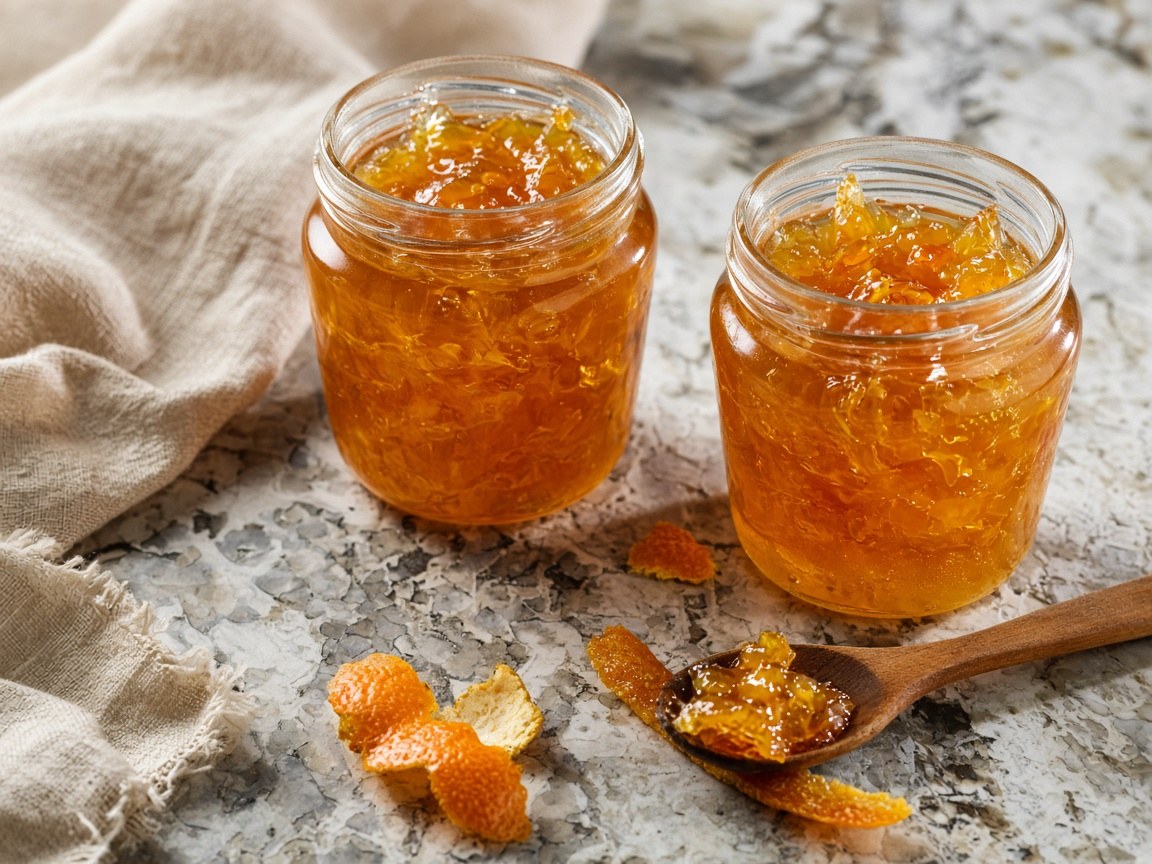
Jaffa Citrus Press · Grove
Six plots, one press, a year of peel.
We do not own a tourist orchard. We walk contracted rows: two plots on the Jaffa fringe where the sea still salts the wind, four on the Sharon plain where Shamouti still means something to the people who clip it.
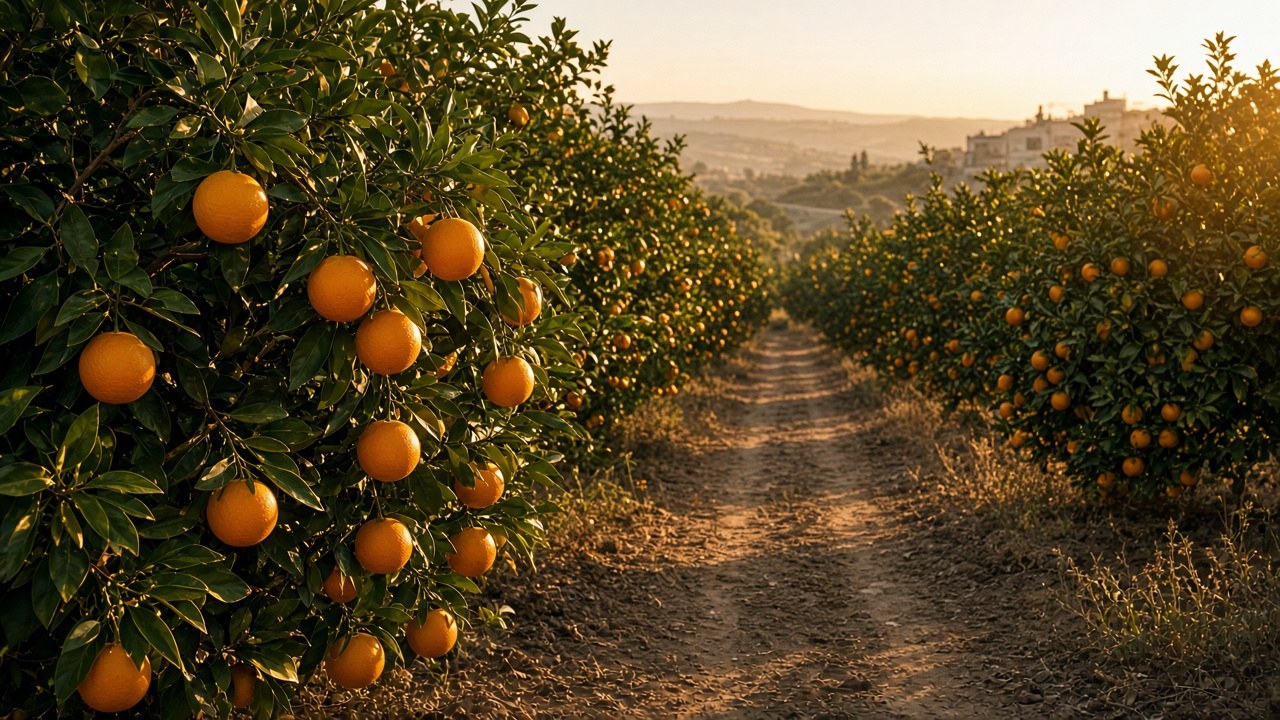
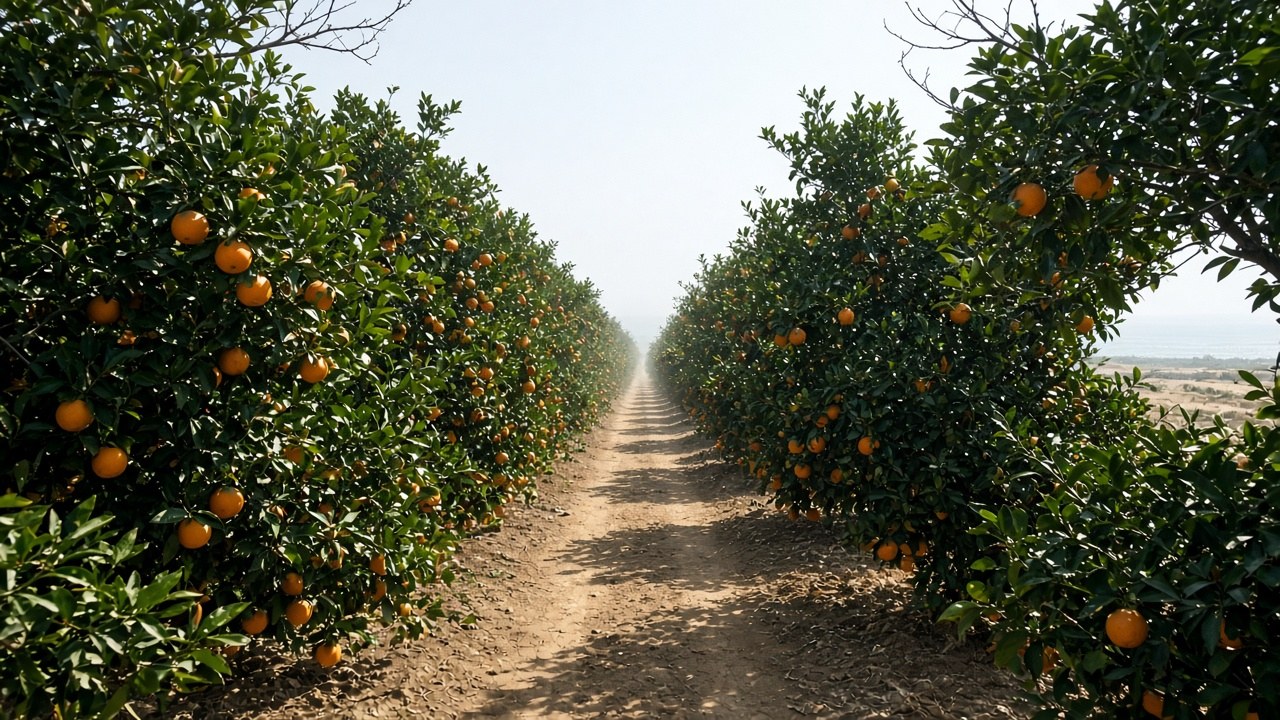
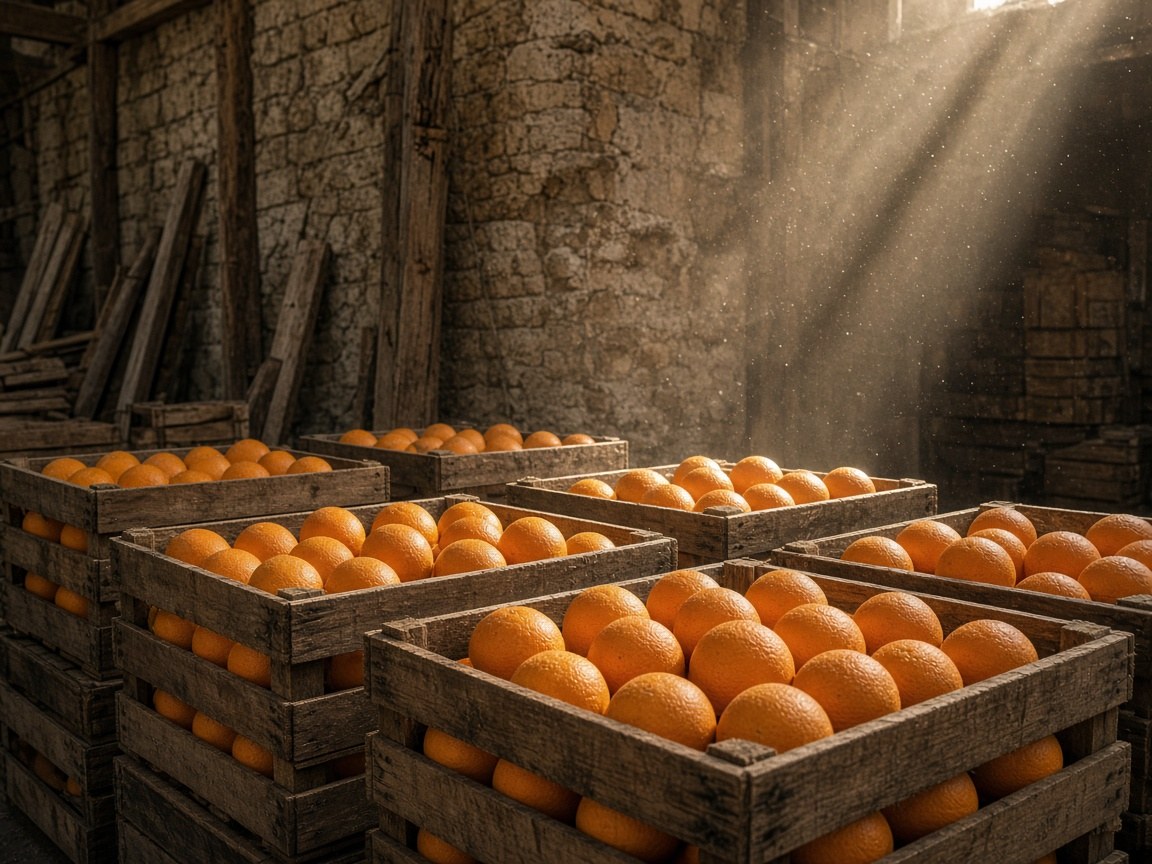
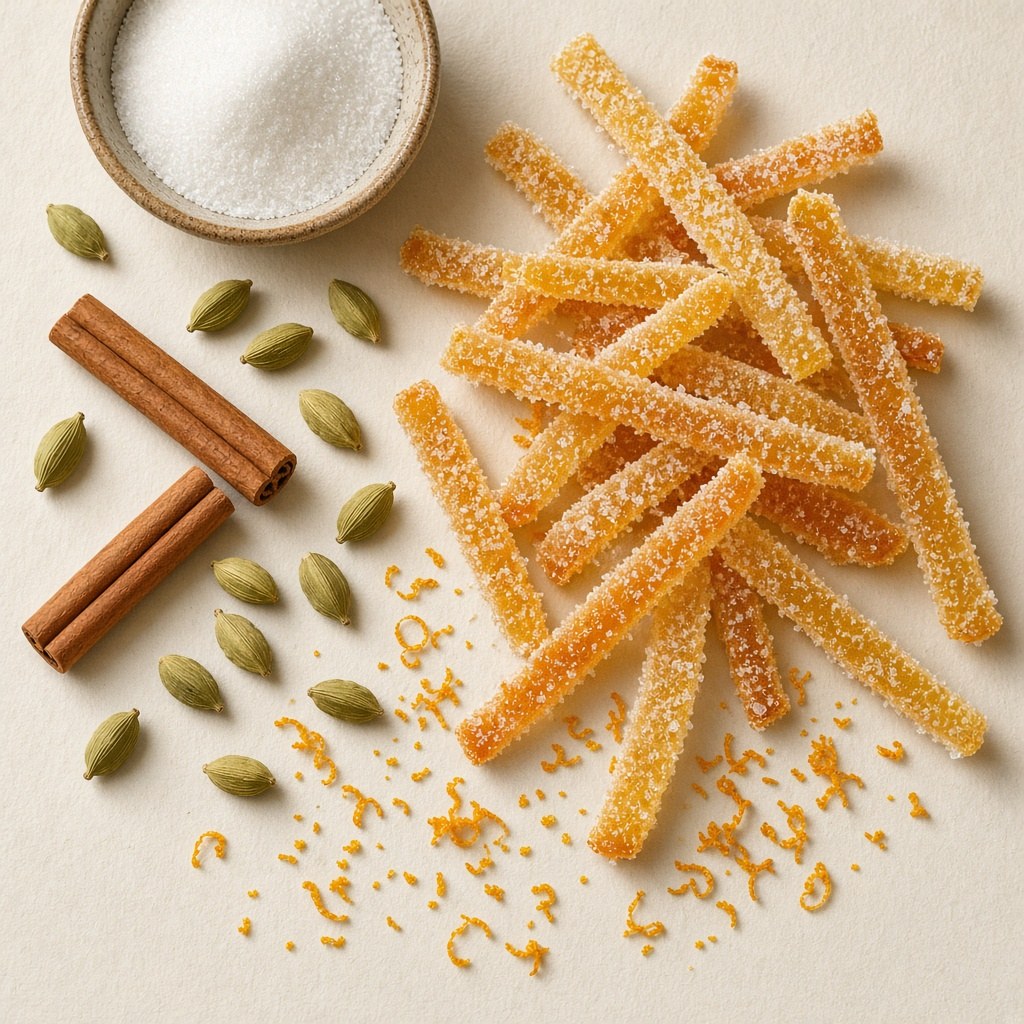
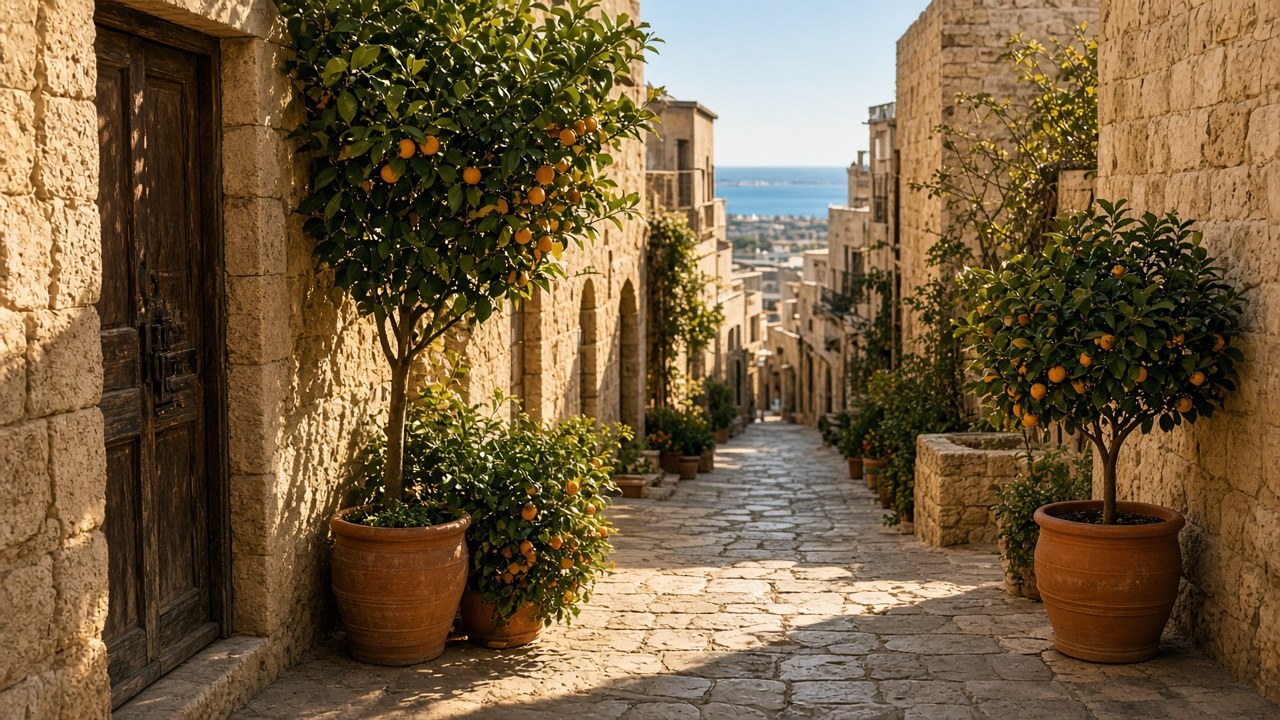
Harvest mornings start before the atelier door on Yefet Street is unlatched. We meet the growers in the row, not in a warehouse office. Fruit is clipped with a small clean cut; pulling tears the button and invites rot before the press ever turns. Shamouti is judged by peel: too thin and it is juice fruit; too scarred and it is candied, not marmalade. The decision is made in the shade of the trees, written on a plot card that travels in the crate.
Plot 02 and Plot 03 are the Shamouti heart. They sit far enough from the newest construction that the trees still have a horizon. In a wet winter the fruit drinks; the gel in the pan will be softer unless we reduce with patience. In a dry spell the peel thickens and the bitterness stands up — the set that collectors call “the old crate.” We do not blend plots to flatten that difference. If you open a jar marked 03, you should taste 03.
Plot 04 is Valencia, later, cleaner, the cordial plot. The iron press likes this fruit: high juice, honest acidity, peel oil that does not shout. Plot 05 is clementine — guest fruit, thinner skinned, a marmalade for people who want less chew. Plot 06 is the curious edge: bergamot in its short window, pomelo for pith ribbons, etrog when the festival tables are done and the growers will sell peel rather than watch it dry on a compost heap.
We are guests in these rows. Irrigation, pruning, and the long work of keeping trees belong to the families who tend them. Our part is to arrive on time, pay for what we take, refuse fruit that has sat in the sun, and put the plot number on the lid. The grove is not a backdrop for photographs. It is a ledger of weeks.
Field notes
What a plot card actually says.
Each delivery to 18 Yefet Street arrives with a card: plot number, cultivar, pick date, weather in three words, and a count of crates. The card is pinned above the copper line until the last pan of that fruit is sealed. Then it is filed. Visitors to the tasting room may read the current card. We do not rewrite history when a batch is shy; we write “soft set” and keep the card anyway.
The grove does not care about our calendar. We cook what arrived, then we stop.
Once a season we walk all six plots in a single day — a long loop from the Jaffa fringe inland. It is not a tour we sell. It is how the press house remembers that jars begin as trees. If you are a wholesale grocer and want to understand a crate, ask; we will stand you at the tasting counter with the card, not on a hayride.
See what those plots become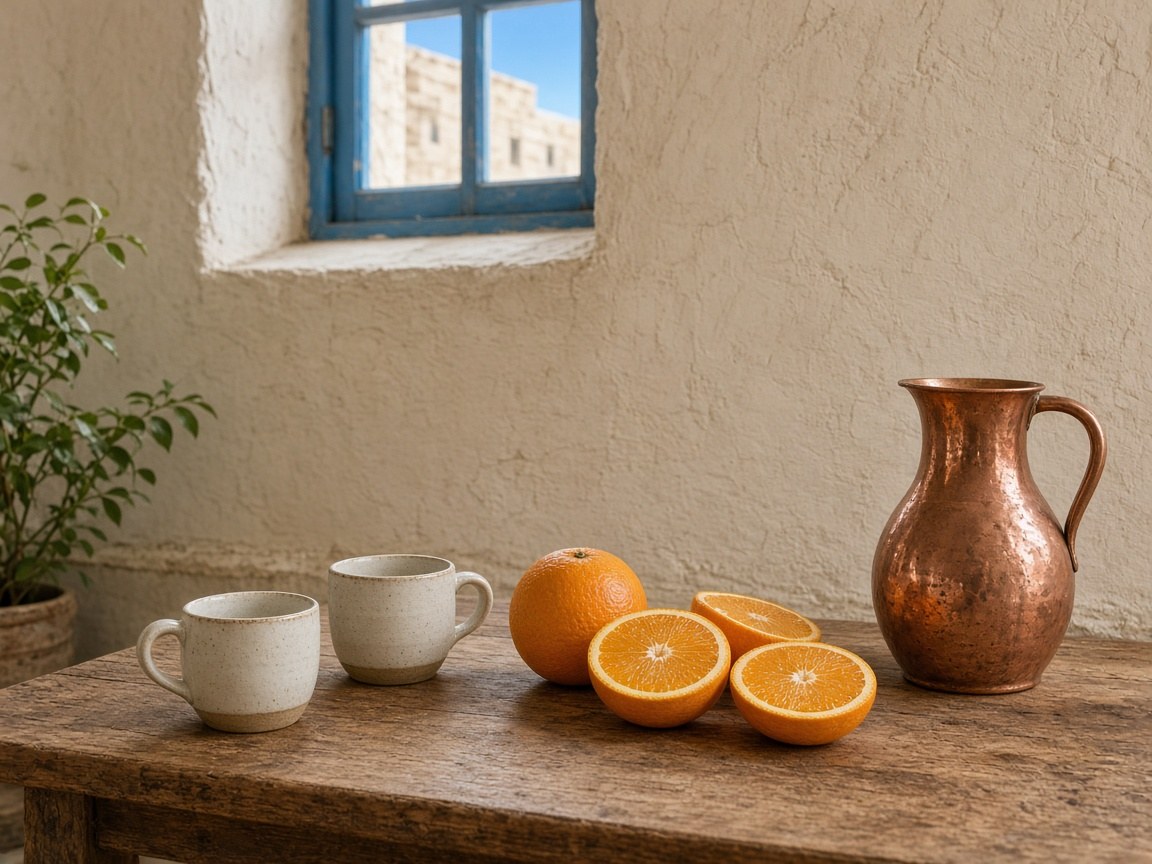
in
rotation
The year’s shape
A harvest that is not a slogan.
| Season | Fruit on the line | What leaves the atelier |
|---|---|---|
| Early winter | Clementine, first Shamouti | Quiet marmalades, leaf cordial trials |
| High winter | Shamouti at full peel | Bitter set, peel rafts, grove boxes |
| Late winter | Bergamot, blood orange if nights stay cool | Peel-forward cordial, tessera jars |
| Spring | Valencia, pomelo | Press cordial, pith ribbons |
| Festival weeks | Etrog peel by agreement | Short conserve, then the pans rest |
From row to iron
Clipped in the shade, pressed the same day.
We do not pull fruit. A clean clip keeps the button intact so the peel does not start to rot on the road to Yefet Street. Crates sit in shade until the truck is full; sun-baked oranges are left for the grower. Juice fruit goes to the iron press before the atelier door is locked. Peel for marmalade is held cold and cut within forty-eight hours — longer than that and the pith turns tired.
If a crate arrives warm, scarred, or mixed without a plot card, it does not enter the copper line. We would rather send the truck back than blur a lid date with fruit we cannot name.
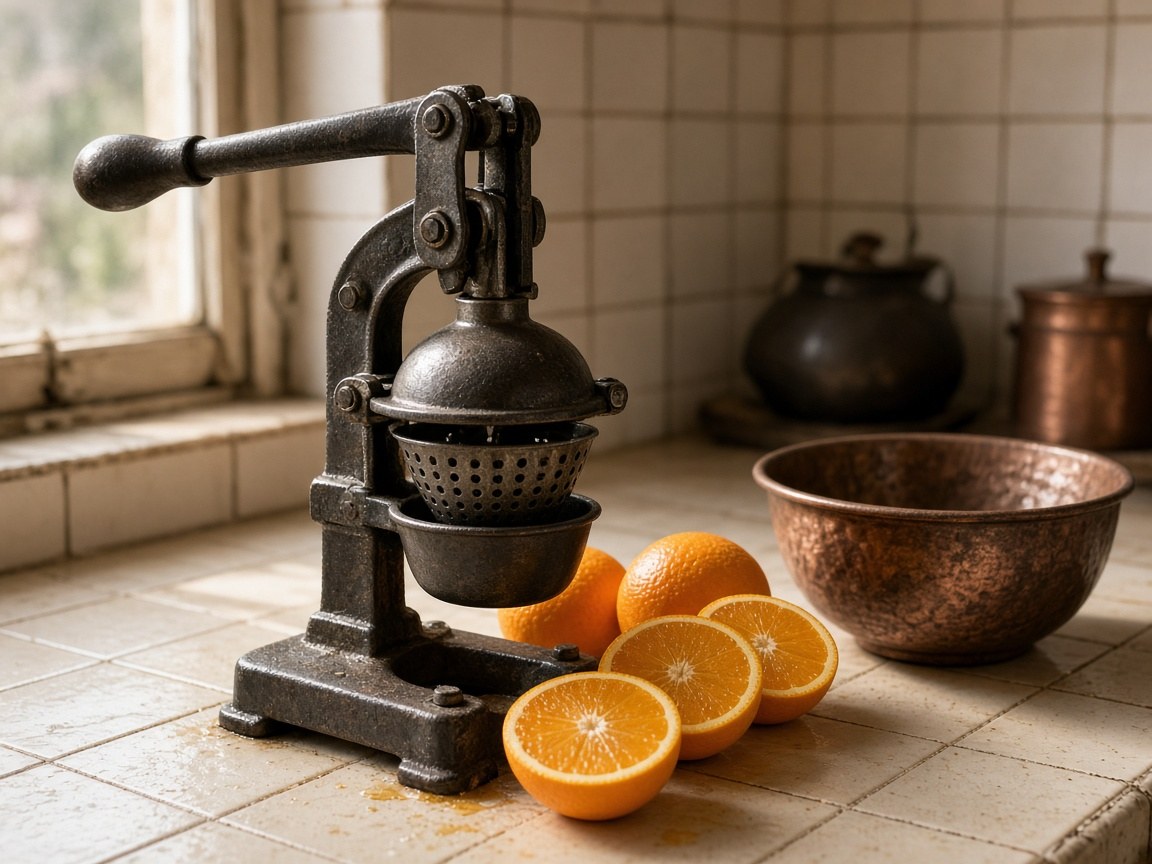
day
juice
What the rows become
Six tempers, six lids — never a blended “house orange.”
Plot 01 is guest clementine. Plots 02 and 03 are Shamouti with different winds. Plot 04 is late juice. Plot 05 is leaf and thin skin. Plot 06 is the short, strange edge.
We do not own these trees. Irrigation, pruning, and the winter watch belong to the families who clip with us. Our part is to arrive on time, pay for what we take, and refuse a romantic story about “the orchard” that erases the plot number. A jar marked 03 should taste of the windward Shamouti row, not of a committee.
If you want to understand a crate as a grocer, ask for the current card at the tasting counter. We will not sell you a hayride through someone else’s livelihood.