Plot before brand
A label that says only “orange” is a shrug. We name the grove plot, the cultivar, and the week. If a storm splits the fruit, that week’s marmalade tastes of the storm. We write it down.
Jaffa Citrus Press · About
The Jaffa orange was a port story before it was a breakfast story. We keep that trade in the room: the Shamouti’s thick skin, the stencil on the crate, the press that once served packing houses.
The orange trade
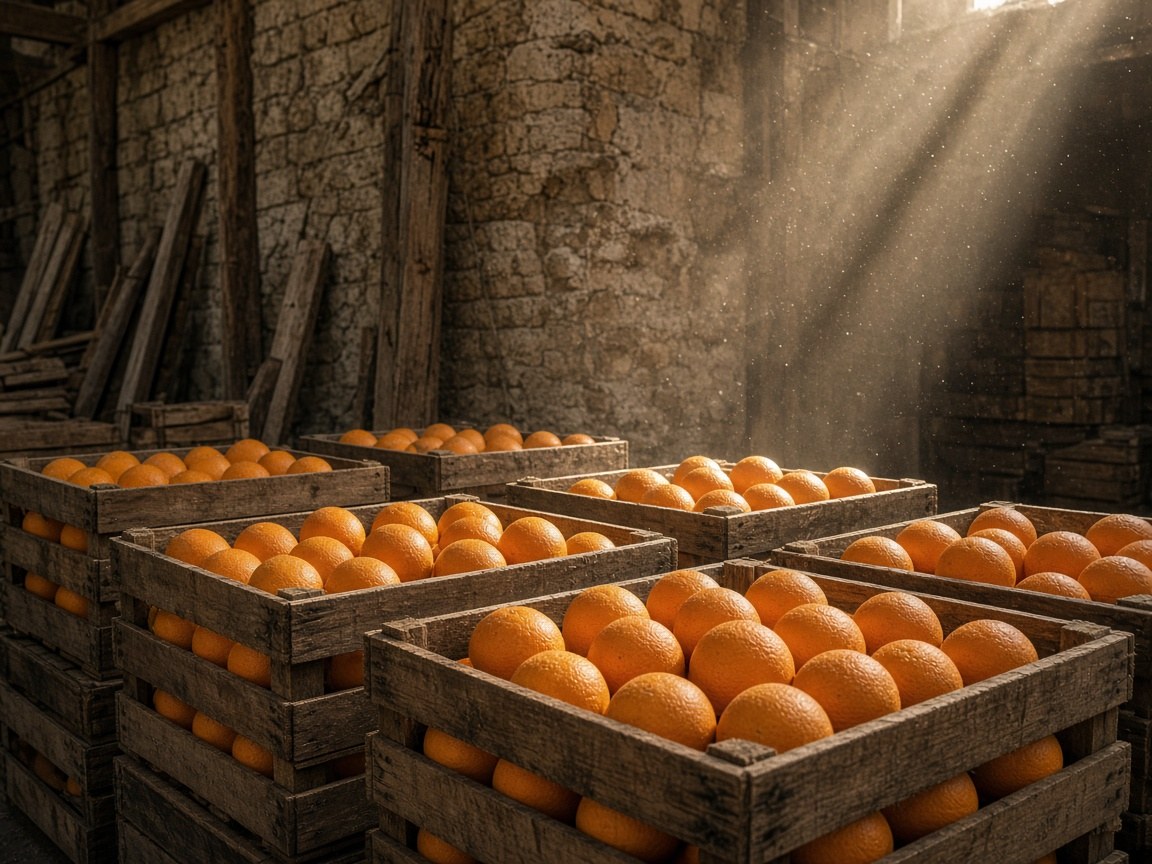
For more than a century, the oval Shamouti orange left Jaffa’s warehouses wrapped in tissue and packed in softwood. It travelled as “Jaffa” — a name that meant a particular sweetness, a particular peel, a particular winter harvest from the coastal plain. The fruit was not a souvenir. It was an industry: graders, wrappers, coopers, and agents who knew the difference between a box bound for the North Sea and one held for the local market.
When refrigerated shipping and new cultivars rearranged that trade, the packing houses thinned. What remained in Jaffa was the habit of taking citrus seriously: peel thickness, juice yield, the way a fruit sounds when you tap it. Jaffa Citrus Press was founded in 2014 to keep that literacy in a smaller form — not export tonnes, but jars, bottles, and candied peel that still carry the port’s name honestly.
We did not invent the Jaffa orange. We inherited its manners: sort carefully, waste little peel, write the origin on the box.
The press
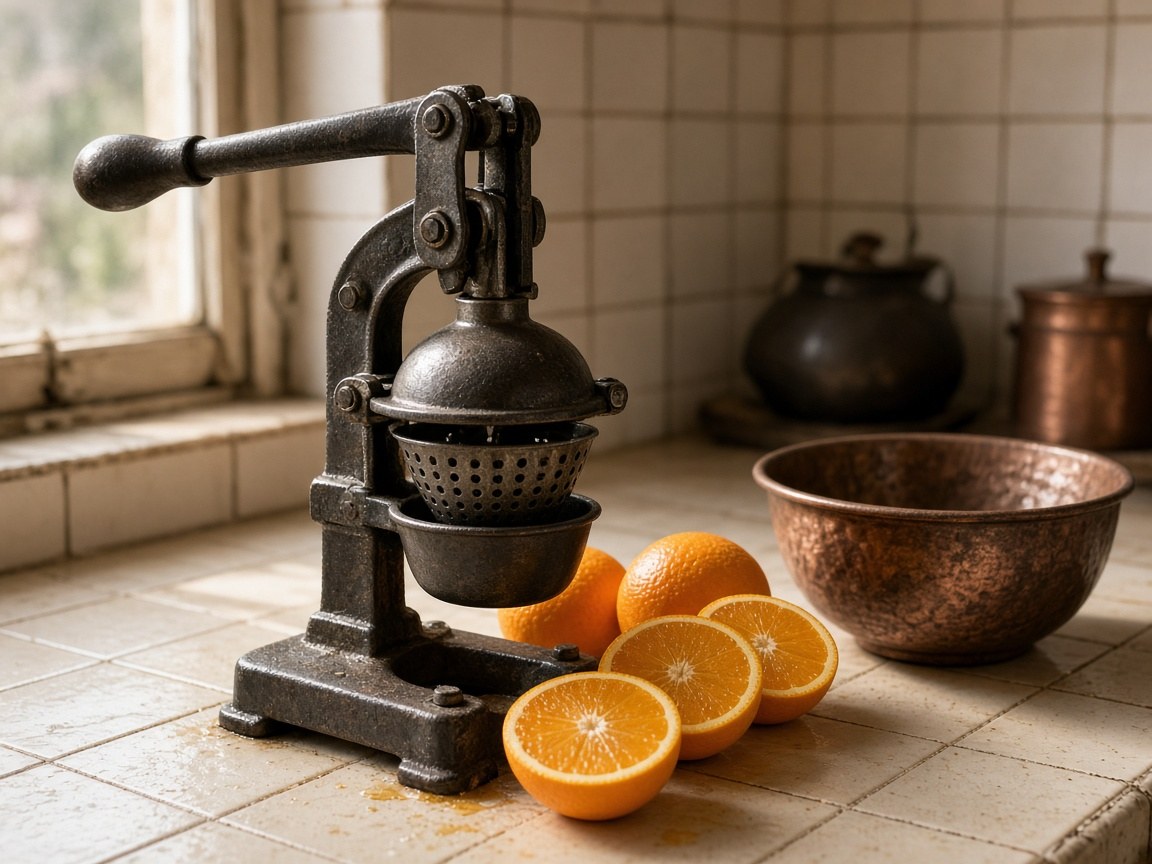
The atelier occupies a ground-floor room at 18 Yefet Street. The iron citrus press arrived from a retired packing line; its gears were cleaned, its wooden handle rebuilt, and it was set on a stone plinth so juice runs into enamel basins rather than onto the floor. Around it: cedar cooling racks, a wall of numbered copper pans, and a tasting counter where collectors take a spoon of the week’s set.
We are a cold-press and preserve house. Visitors are welcome during posted hours to collect orders and to taste. We do not run a restaurant, a café service, or a street stall. If you want lunch, Jaffa has kitchens for that. If you want the fruit itself, held in sugar and glass, this is the room.
How we work
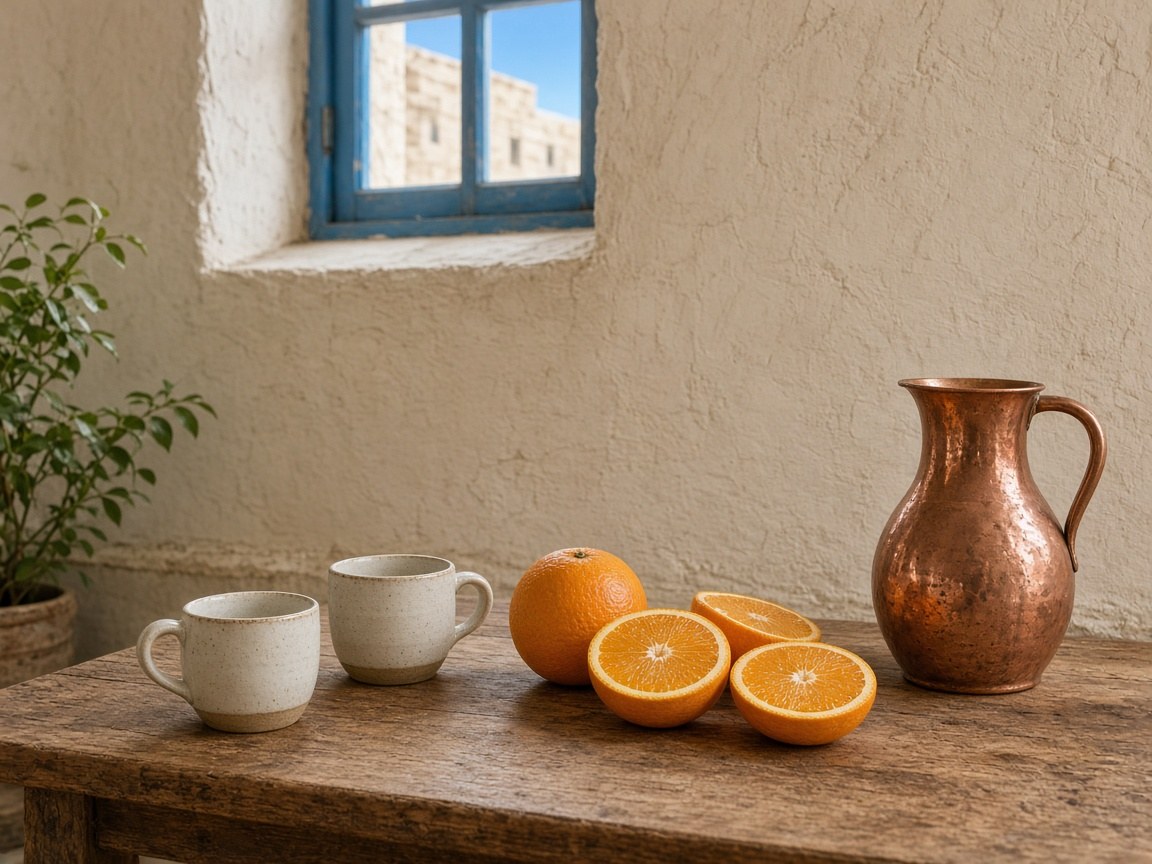
The tasting room is a working shelf, not a showroom. Copper pans come off the line still warm. You may hear the press before you see it.
Values
A label that says only “orange” is a shrug. We name the grove plot, the cultivar, and the week. If a storm splits the fruit, that week’s marmalade tastes of the storm. We write it down.
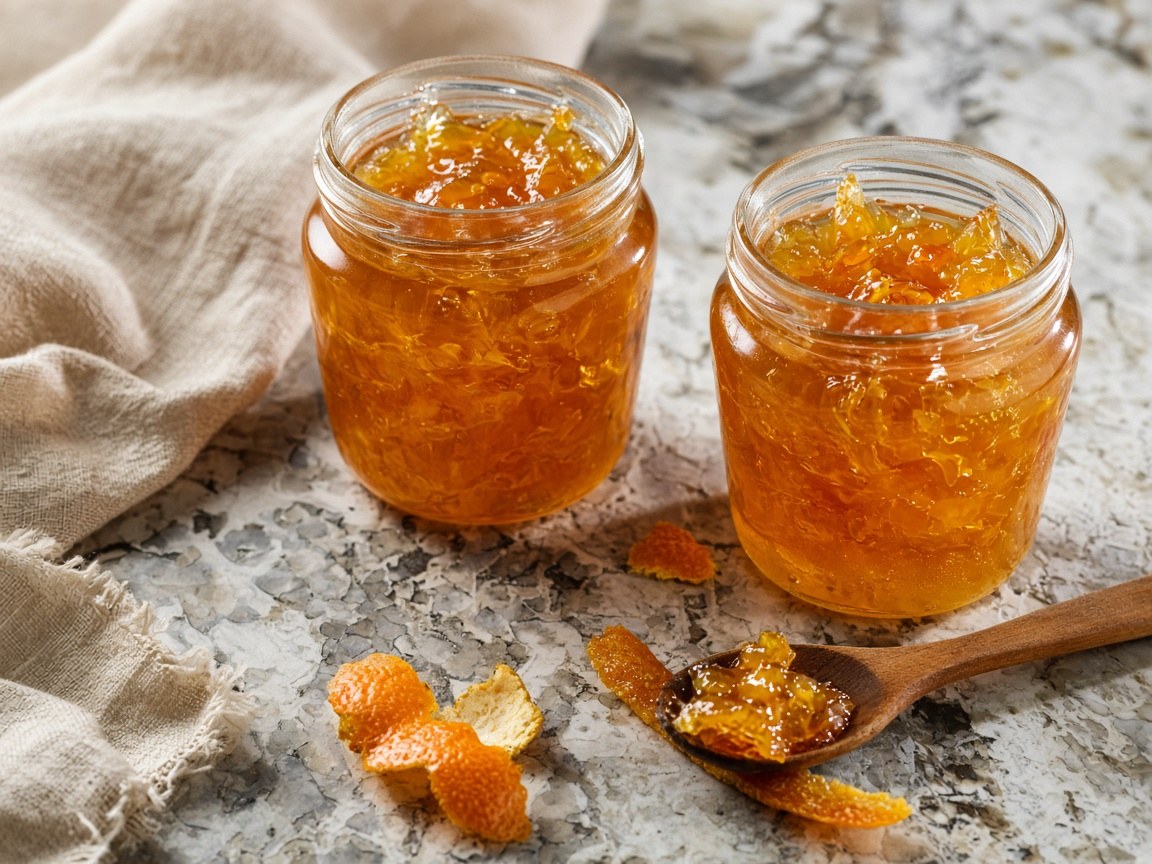
The Shamouti’s thick skin is the point. We plane, shred, candy, and infuse. Pith is a decision, not a problem. Cordial peel oil is captured, not vented out a window.
Forty-two pans exist so no batch is rushed into a giant kettle. Small surfaces keep colour. We would rather close the shop at fourteen hundred jars than blur the set.
We work in Tel Aviv-Yafo because this is where the name was earned. The atelier faces Yefet Street, not a motorway shed. Guests smell the alley citrus before they read the sign.
A short ledger
Jaffa Citrus Press opens at 18 Yefet Street with one iron press, eight copper pans, and a first Shamouti marmalade sold from a cedar table. Company No. 516284731 is registered.
Six grove plots come into a standing agreement: two near the Jaffa fringe, four on the Sharon plain. The plot log begins — still kept in pencil.
Cordial joins the line after a winter of bergamot. Returnable glass is introduced for local collectors.
The copper wall reaches forty-two pans. Annual output settles near eleven thousand jars — a ceiling we treat as a virtue.
Grove boxes return to stencilled wood. The tasting counter remains appointment-light: walk in during hours, leave with fruit in glass.
The copper wall
The pans hang on a limestone wall behind the press, numbered in wax pencil so a batch can be named without a spreadsheet. A Shamouti set from Plot 03 does not share a pan with a clementine trial from Plot 05. Copper is not theatre: it spreads heat across a small surface, keeps the gel luminous, and lets us stop a run when the fruit is gone instead of stretching it in a steel vat.
Pans come off the hooks still warm. They are rinsed, dried, and hung again before the next plot card is pinned above the line. Visitors hear metal before they see it. That noise is the atelier working, not a soundtrack for a dining room.
Yefet Street
18 Yefet Street is a working room with a tasting counter. Neighbours know the zest in January. Tour buses do not stop here for brunch.
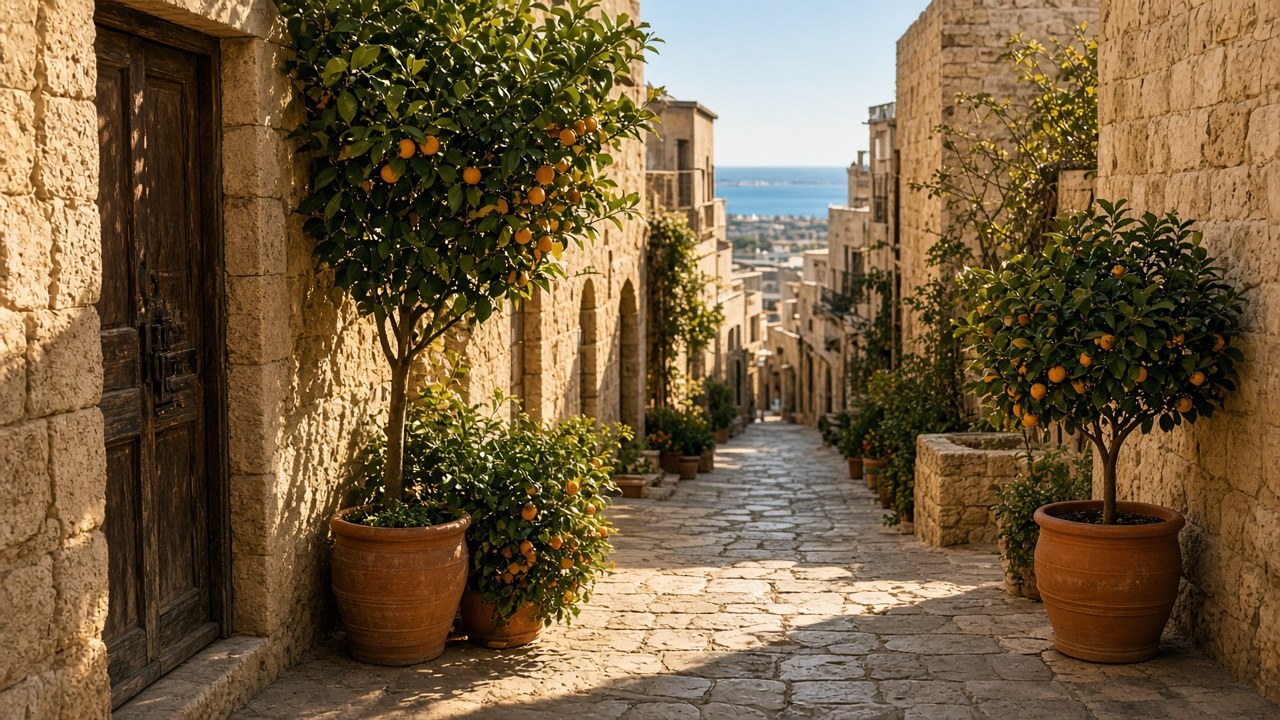
The door sits on the old market street that still carries Jaffa’s port habits: crates, tissue, names on boxes. We face limestone and an alley of potted citrus, not a car park canopy. Collectors come on foot from the stone lanes toward the water, or they arrive with a list and a bag that can take glass. There is no host stand, no wait-list, no plated food.
If you need a kitchen, Jaffa has them in every direction. If you need the fruit held in sugar and dated to a plot, this is the room that kept the packing-house literacy after the steamships left.